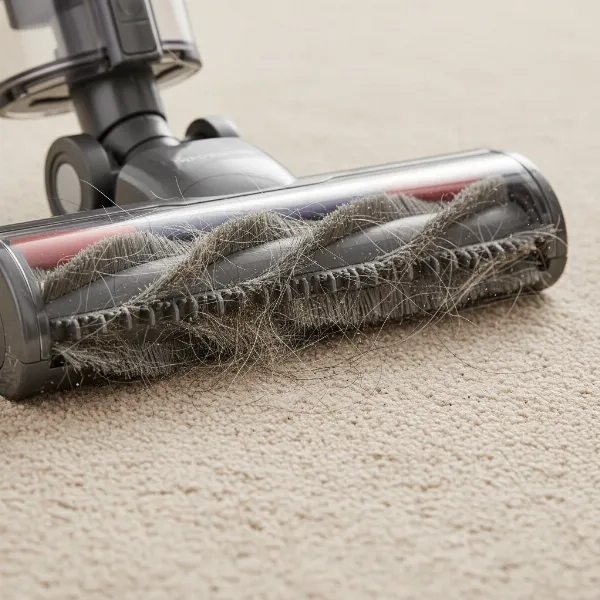
A vacuum cleaner is an indispensable tool for maintaining a clean home, but few things are as frustrating as a brush roll choked with tangled hair. Whether it’s long human strands or stubborn pet fur, this common problem can dramatically reduce your vacuum’s effectiveness, strain its motor, and leave your floors less than spotless. If you’ve ever battled with dull scissors and endless pulling, you know the struggle is real. This comprehensive guide will walk you through the simple, safe steps to liberate your vacuum’s brush roll from hair tangles and offer practical tips to prevent them from recurring, ensuring your machine always operates at peak performance.
Understanding Your Vacuum Brush Roll: The Unsung Hero
The brush roll, also known as the beater bar or agitator, is a crucial component in most vacuum cleaners. Located in the floorhead, this rotating brush is equipped with bristles or rubber fins designed to agitate carpet fibers, dislodge dirt, and sweep debris into the vacuum’s suction path. On hard floors, it helps direct loose particles towards the intake. When operating correctly, it’s the driving force behind your vacuum’s ability to pick up embedded dirt and surface debris.
However, its constant spinning and sweeping action make it a magnet for hair. Long strands, both human and pet, easily wrap around the brush roll and its bristles, tightening with each rotation. This accumulation can happen surprisingly quickly, turning a clean brush into a matted mess. Over time, this tangled hair creates a dense obstruction, hindering the brush roll’s ability to spin freely and agitate surfaces effectively. The consequences of an ignored, hair-clogged vacuum brush roll are more significant than just reduced cleaning power. It can lead to decreased suction, as the airflow is restricted and the brush can no longer lift debris properly. The motor has to work harder to spin the impeded brush, potentially causing it to overheat and leading to premature wear or even permanent damage. Incomplete cleaning is inevitable, as your vacuum simply spreads dirt around rather than picking it up. Furthermore, trapped hair and debris can become a breeding ground for bacteria and mold, resulting in unpleasant odors emanating from your vacuum. Ultimately, excess strain can burn out the belt or wear down the roller brush itself, necessitating costly repairs or replacements.
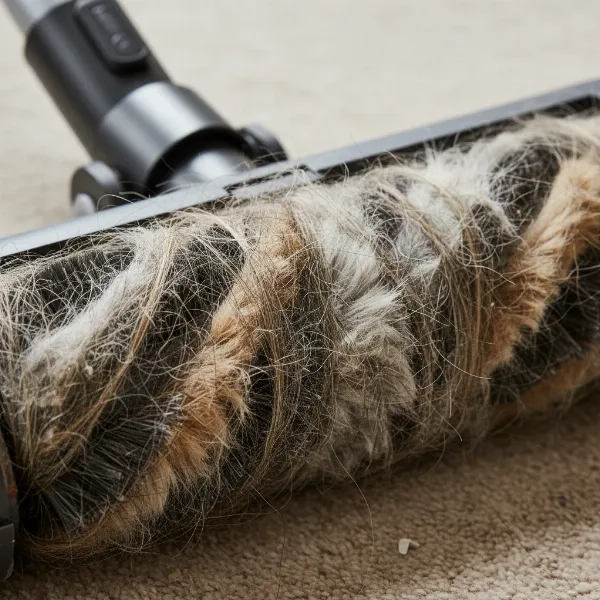 Close-up of a vacuum brush roll heavily tangled with human and pet hair
Essential Tools for Hair Removal: Your Cleaning Arsenal
Before you begin the hair removal process, gathering the right tools will make the job safer and more efficient. Having these items on hand ensures a smooth and effective cleaning operation, allowing you to quickly restore your vacuum’s performance.
Scissors or Seam Ripper
These are perhaps the most common and effective tools for cutting through tangled hair.
- Scissors: A sharp, small pair of scissors (like craft or embroidery scissors) allows for precise cuts. They are excellent for snipping through large clumps of hair wrapped tightly around the brush roll.
- Seam Ripper: Often found in sewing kits, a seam ripper is a small, inexpensive tool with a sharp, curved blade and a protective ball tip. Many cleaning experts and home users hail it as the ideal tool for this task due to its design. Its hooked tip can easily slide under tightly wrapped hair without damaging the delicate bristles of the brush roll.
- Pros: Excellent for precision, less risk of damaging bristles or cutting yourself, easily slips under tight hair.
- Cons: May take a bit longer for very dense tangles compared to a larger blade.
|
Our Picks for the Best Vacuum cleaner in 2026
As an Amazon Associate I earn from qualifying purchases.
|
||
| Num | Product | Action |
|---|---|---|
| 1 | Shark Upright Vacuum, Navigator Lift-Away Deluxe with Large Dust Cup Capacity, HEPA Filter, Swivel Steering, Upholstery Tool & Crevice Tool, Blue, NV360 |

|
| 2 | Shark NV352 Navigator Lift Away Upright Vacuum, Hepa Filter, Anti-Allergen Technology, Swivel Steering, Ideal for Carpet, Stairs, & Bare Floors, with Wide Upholstery & Crevice Tools, Lavender |
|
| 3 | Bissell CleanView Compact Turbo Upright Vacuum with Quick Release Wand, Full Size Power, Compact Size for Apartments & Dorms, 3437F |
|
| 4 | Eureka Lightweight Powerful Upright Vacuum Cleaner for Carpet and Hard Floor, PowerSpeed, New Model,Blue,black/New Model |
|
| 5 | Bissell CleanView Compact Upright Vacuum, Fits in Dorm Rooms & Apartments, Lightweight with Powerful Suction and Removable Extension Wand, 3508 |
|
| 6 | Eureka NEU10AE5 Powerful Bagless Upright Vacuum Cleaner Carpet and Floor, AirSpeed Ultra-Lightweight Vacuum Cleaner, w/ Replacement Filter, Blue |
|
| 7 | UNINELL HOME Cordless Vacuum Cleaner, 45,000Pa/450W Stick Vacuum Cleaners for Home, 60 Mins Runtime, Self-Standing, Detachable Battery, Anti-Tangle Brush, Lightweight Wireless Vacuum for Pet Hair |
|
| 8 | Eureka PowerSpeed NEU181A Upright Vacuum Cleaner For Daily Cleaning for Pet-Owning Households , 5-Height Adjustment-Powerful Suction-Large Dust Cup-Pet Turbo Brush,Suitabe For Carpets & Hard Floors |
|
| 9 | Cordless Vacuum Cleaner, 550W 45kPa 65Mins Vacuum Cleaners for Home with LED Display, Self-Standing Stick Vacuum with Anti-Tangle Brush, Rechargeable Vacuum Cordless for Pet Hair/Carpet/Floor |
|
| 10 | MONSGA Cordless Vacuum Cleaner, 45KPa 400W Stick Vacuum for Home, 50Mins Anti-Tangled Vacuum Cleaner with Charging Dock, Light-weighted Handheld Vacuum for Pet Hair/Carpet/Floor, LED Touch Display,MV3 |
|
Utility Knife or Box Cutter
For extremely thick or stubborn hair tangles, a utility knife or box cutter can provide the necessary cutting power.
- Pros: Very sharp, cuts through dense hair quickly.
- Cons: Requires extreme caution to avoid injury and prevent damage to the brush roll or vacuum components. Not recommended for beginners or if you’re unsure about the brush roll material. Always use with a steady hand and away from your body.
Hair Removal Tool or Brush Cleaning Tool
Some vacuum manufacturers include specialized tools designed specifically for cleaning the brush roll. These often feature a small blade or hook tailored to safely cut and remove hair.
- Pros: Designed for the task, often comes with the vacuum, minimises risk of damage.
- Cons: May not be as effective for unusually dense or stubborn tangles as sharper, dedicated cutting tools.
Screwdriver
Many vacuum models require a screwdriver (usually a Phillips head or flathead) to remove the bottom plate or cover that shields the brush roll.
- Pros: Essential for accessing the brush roll on many models.
- Cons: Can be time-consuming to unscrew and re-screw, and tiny screws are easily lost.
Cleaning Brush or Toothbrush
A small brush, such as an old toothbrush or a dedicated cleaning brush, is invaluable for clearing away loose debris, dust, and smaller hair strands once the main tangles have been cut and removed. It helps to clean around bearings and in hard-to-reach crevices.
Gloves
Wearing protective gloves (latex, nitrile, or even sturdy gardening gloves) is highly recommended. Hair often mixes with dust, lint, and other unpleasant debris, and gloves protect your hands from dirt and potential sharp edges of tools or vacuum parts.
By assembling these tools, you’ll be well-prepared to tackle even the most formidable hair tangles, ensuring a thorough and safe cleaning process.
Step-by-Step Guide to Removing Tangled Hair: A Detailed Walkthrough
Cleaning your vacuum’s brush roll might seem daunting, but it’s a straightforward task with the right approach. Follow these steps carefully to safely and effectively remove tangled hair and restore your vacuum’s performance.
Safety First: Unplug Your Vacuum
This step is non-negotiable and the most crucial for your safety. Always ensure your vacuum cleaner is completely turned off and, most importantly, unplugged from the power source before you touch any internal part or attempt any maintenance. This prevents accidental activation, which could lead to severe injury, especially when using sharp tools. Additionally, wearing protective gloves will shield your hands from dirt, debris, and any sharp components.
Accessing the Brush Roll
Different vacuum models have varying methods for accessing the brush roll.
- Lay it Down: Turn your vacuum cleaner upside down on a flat, stable surface, such as a workbench or the floor.
- Locate the Brush Roll Cover: Identify the bottom plate or cover that protects the brush roll. On many upright and canister vacuums, this cover is held in place by clips or screws.
- Remove the Cover:
- For Screws: Use the appropriate screwdriver to carefully remove any screws. Place them in a small, secure container (like a magnetic dish or a small cup) to prevent them from getting lost.
- For Clips: If your vacuum has clips, gently unlatch them.
- Remove the Brush Roll (If Possible): Some models allow you to easily lift out the brush roll once the cover is removed. Taking it out can make cleaning easier and give you better access to all sides of the roller and its end caps. Note its orientation before removal so you can reassemble it correctly. Other models might have the brush roll permanently attached or require more complex disassembly; in such cases, clean it while it’s still in place.
Cutting Through the Hair
Now that you have access, it’s time to tackle the tangles.
- Initial Loose Hair Removal: Use your gloved fingers to pull off any loose hair strands that are not tightly bound.
- Choose Your Tool: Select your preferred cutting tool – scissors, a seam ripper, or a utility knife.
- Careful Cutting:
- Seam Ripper: The seam ripper is often the easiest and safest choice. Slide the pointed tip of the seam ripper underneath the tangled hair. Gently push the blade through the hair, slicing it as you go. Work your way across the entire length of the brush roll. The curved design helps to avoid cutting into the bristles or damaging the brush.
- Scissors: If using scissors, carefully slide one blade under a section of tangled hair, parallel to the brush roll. Make small cuts along the length of the brush roll, ensuring you don’t cut the bristles themselves.
- Utility Knife: For very dense tangles, a utility knife can be effective but requires extreme care. Slice carefully, always pushing away from your body and ensuring the blade only contacts the hair, not the brush roll material.
- Target End Caps and Bearings: Hair often collects densely at the ends of the brush roll, near the bearings and end caps. If your model allows, pop off the end caps to access and remove any hidden hair wrapped around the axle or ball bearing. Use tweezers or the tip of a seam ripper for these intricate areas.
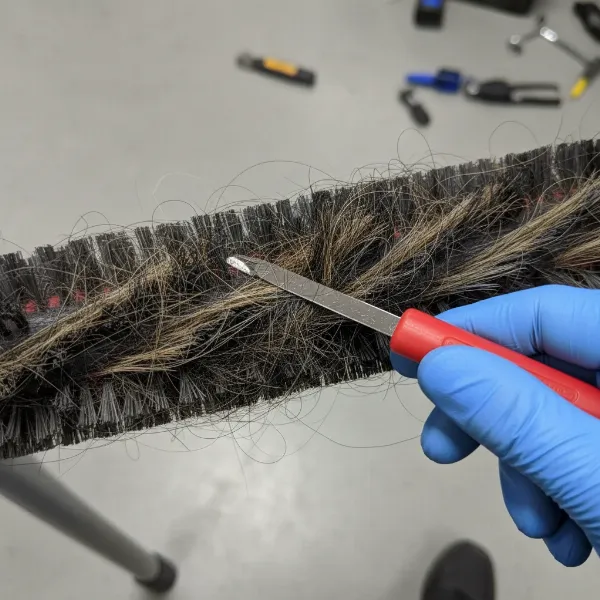 A person using a seam ripper to cut tangled hair from a vacuum brush roll
Pulling and Clearing
Once the hair has been cut, it should be much easier to remove.
- Pull Away Hair: Systematically pull the cut hair away from the brush roll. It should come off in easier-to-manage sections.
- Clean Remaining Debris: Use a small cleaning brush or an old toothbrush to thoroughly clean the brush roll and the surrounding chamber, dislodging any remaining dust, lint, or small hair fragments. Pay close attention to the base of the bristles and around the end caps.
- Wipe Down: Use a cloth or paper towel, possibly dampened with rubbing alcohol or a mild detergent, to wipe down the brush roll and its components. This helps remove grime, eliminate odors, and can kill any bacteria.
Reassembling Your Vacuum
- Replace the Brush Roll: If you removed the brush roll, carefully place it back into its housing, ensuring it’s in the correct orientation.
- Secure the Cover: Reattach the bottom plate or cover, making sure it’s snugly fitted. If there are screws, replace them and tighten them securely, but do not overtighten.
- Test: Rotate the brush roll by hand to ensure it spins freely without any resistance or unusual noise. If it feels stiff, recheck the end cap areas for any lingering hair.
- Plug In and Test: Once fully reassembled, plug your vacuum back in and perform a quick test run to ensure everything is working correctly.
By following these steps, you’ll have a clean, efficient vacuum brush roll, ready to tackle your next cleaning task with full power.
Preventing Future Hair Tangling: Proactive Maintenance
While regular cleaning is essential, implementing preventive measures can significantly reduce the frequency and severity of hair tangles in your vacuum brush roll. Proactive maintenance not only saves you time and effort but also extends the lifespan of your vacuum.
Regular Cleaning Schedule
Establishing a routine for cleaning your vacuum’s brush roll is paramount. Ideally, perform a quick check after every few uses and a more thorough cleaning at least once a month, depending on how much hair accumulates in your home. “A 10-second check after each session can prevent bigger messes,” notes an expert, highlighting the importance of frequent inspection. Consistent maintenance prevents hair buildup from becoming an unmanageable problem.
Pre-Vacuuming Tips
Simple actions before you even turn on your vacuum can make a big difference.
- Brush Pets Regularly: If you have pets, brush them frequently to remove loose fur before it sheds onto your floors. This dramatically reduces the amount of hair your vacuum needs to contend with.
- Pick Up Large Hair Clumps: Visible clumps or balls of hair should be picked up manually before vacuuming. These large accumulations are particularly prone to wrapping around the brush roll and causing immediate clogs. A rubber squeegee broom can also be effective for sweeping up loose hair from hard floors before vacuuming.
Vacuum Frequently, Not Occasionally
Instead of letting hair and debris build up over days or weeks, vacuuming in shorter, more frequent sessions prevents the brush roll from being overwhelmed. A lighter load means less chance for dense tangles to form.
Choosing the Right Brush Height Setting
Many vacuums, especially upright models, allow you to adjust the brush roll height. Using a setting that is too low for your carpet pile can increase drag and promote hair wrapping. For rugs, a higher setting might be appropriate, while a lower one works best for smooth, hard floors. Adjusting this setting ensures optimal performance and reduces unnecessary strain on the brush roll.
Inspect the Roller Often
Make it a habit to quickly inspect your vacuum brush roll after each significant cleaning session. Spotting even a single strand of tangled hair and removing it immediately can prevent it from multiplying into a much larger, more difficult problem.
Consider Anti-Tangle Technology
When purchasing a new vacuum, look for models equipped with “anti-tangle” or “zero-M” technology. These vacuums often feature specialized brush roll designs, such as built-in combs or self-cleaning mechanisms, that automatically prevent or minimize hair wrap. While they may come at a higher price point, the long-term convenience and reduced maintenance can be well worth the investment for homes with long hair or shedding pets. Some models, like certain Shark Zero-M vacuums, use “protrusions on the upper portion of the brush housing, which basically comb the hair off the brush as it spins.”
By incorporating these preventive measures into your cleaning routine, you can significantly prolong the efficiency and lifespan of your vacuum cleaner, making tangled brush rolls a rare occurrence rather than a regular chore.
When to Seek Professional Help or Replace Your Brush Roll
While most hair tangles can be resolved with DIY cleaning, there are instances when professional intervention or a complete brush roll replacement becomes necessary. Recognizing these signs can save you further frustration and potential damage to your vacuum.
One clear indication that DIY efforts aren’t enough is if, after thoroughly cleaning the brush roll, it still doesn’t spin freely or if you notice unusual noises. A grinding sound or a persistent burning smell, even after clearing hair, often points to a more serious mechanical issue. Such symptoms could indicate worn-out bearings, a stretched or broken belt, or even motor damage from prolonged strain.
Another red flag is visible damage to the brush roll itself. Over time, bristles can become worn, bent, or even completely missing, especially if they’ve been repeatedly fighting against dense hair tangles. A brush roll with compromised bristles cannot effectively agitate and clean your floors, regardless of how clear it is of hair. Similarly, if the rubber fins on a multi-surface brush roll are cracked or torn, its performance will be significantly impacted. In these cases, a simple cleaning won’t restore its functionality; replacement is the most effective solution.
Professional vacuum repair technicians have the expertise and specialized tools to diagnose underlying problems that might not be visible to the untrained eye. They can identify subtle issues with motor bearings, electrical components, or drive belts that could be contributing to poor brush roll performance. Attempting complex repairs yourself without the proper knowledge can often lead to further damage, potentially voiding warranties. A professional can often replace worn parts, realign components, and perform comprehensive diagnostics to ensure your vacuum runs efficiently and safely. Replacing the brush roll, while an expense, is often more cost-effective than buying a new vacuum if the motor and other major components are still in good condition.
Ultimately, if you’ve diligently followed all cleaning and maintenance steps and your vacuum still struggles, or if you observe physical damage beyond simple hair tangles, it’s time to consider professional help or a replacement brush roll. Investing in proper service or a new component can breathe new life into your vacuum and ensure it continues to serve your cleaning needs effectively for years to come.
Conclusion
A clean vacuum brush roll is the key to an efficient and long-lasting vacuum cleaner. Hair tangles, though a common nuisance, are easily preventable and removable with the right tools and a consistent approach. By making a few simple safety checks, using the appropriate cutting tools like scissors or a seam ripper, and carefully removing accumulated hair, you can restore your vacuum’s suction power and maintain pristine floors. Remember to implement preventive measures like regular brushing of pets, picking up large hair clumps, and frequent vacuuming to significantly reduce future tangles.
Ultimately, understanding how to care for your vacuum brush roll transforms a tedious chore into a simple, empowering act of home maintenance. What small change will you make today to keep your vacuum running smoothly?
Frequently Asked Questions
What causes hair to tangle so easily in a vacuum brush roll?
Hair, particularly long human hair and pet fur, is soft, thin, and flexible, making it prone to wrapping tightly around the spinning bristles of the vacuum brush roll. The combination of the brush’s rotation, strong suction, and static electricity makes it difficult for hair to escape, leading to rapid tangling and buildup.
How often should I clean the hair from my vacuum brush roll?
The frequency depends on how much hair is present in your home. For homes with pets or individuals with long hair, it’s advisable to check the brush roll after every few uses and perform a thorough cleaning at least once a month. Regular inspection and cleaning prevent minor tangles from becoming severe obstructions.
Can tangled hair damage my vacuum cleaner?
Yes, tangled hair can cause significant damage. It forces the motor to work harder, leading to overheating and potential burnout. It can also reduce suction power, cause incomplete cleaning, create unpleasant odors, and even wear down the brush roll or break the drive belt over time.
Is a seam ripper truly better than scissors for removing tangled hair?
Many users and experts prefer a seam ripper for its design. Its small, sharp, curved blade and blunt tip allow it to easily slide under tightly wrapped hair without nicking the brush roll’s bristles, making it safer and often more efficient for delicate work compared to bulkier scissors.
What are some vacuums that prevent hair tangling?
Some modern vacuums feature “anti-tangle” or “Zero-M” technology, designed to actively prevent hair from wrapping around the brush roll. These often include specialized brush designs, such as rubber fins, self-cleaning combs, or dual brush rolls, which automatically remove or minimize hair buildup during operation.
Can I use household cleaning solutions on my vacuum brush roll?
After cutting and removing the main hair tangles, you can use a cloth dampened with rubbing alcohol or a mild detergent to wipe down the brush roll and its components. This helps to clean off residue, eliminate odors, and sanitize the surface. Always ensure the brush roll is completely dry before reassembling the vacuum.