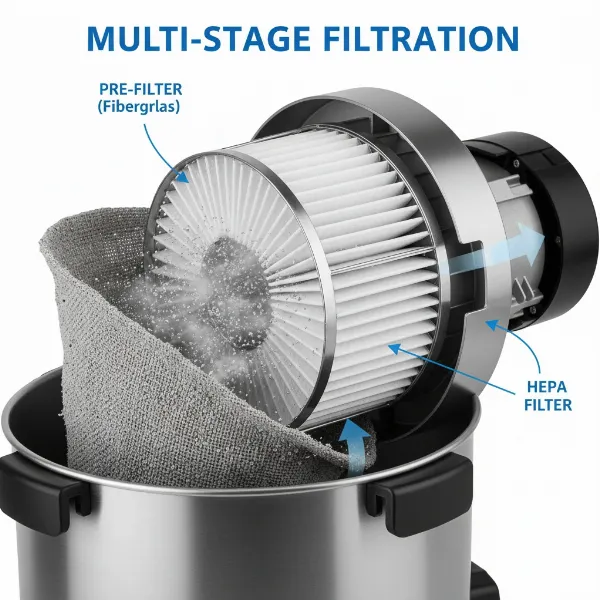
A plush, clean carpet can transform a room, offering comfort and warmth. However, carpets are also magnets for dirt, allergens, and odors that regular vacuuming alone can’t fully eliminate. Over time, embedded grime not only dulls your carpet’s appearance but can also shorten its lifespan and impact indoor air quality. Deep cleaning is the crucial step beyond daily tidying, reaching deep into the fibers to extract what normal vacuuming leaves behind. This comprehensive guide will walk you through the process of truly deep cleaning your carpets, emphasizing the vital role your vacuum cleaner plays in achieving a fresh, revitalized home.
Understanding Carpet Deep Cleaning
Deep cleaning your carpet goes beyond surface-level dirt removal. While your everyday vacuum efficiently picks up loose debris, pet hair, and dust from the top layers, deep cleaning targets the stubborn, microscopic particles, stains, and allergens that become embedded within the carpet fibers over time. This process often involves introducing a cleaning solution into the carpet, agitating the fibers, and then extracting the dirty water, leaving your carpet thoroughly refreshed.
The necessity for deep cleaning stems from the carpet’s function as a filter, trapping pollutants. Without periodic deep cleaning, these trapped contaminants can lead to discoloration, unpleasant odors, and even trigger allergies. Regular vacuuming is your first line of defense, but deep cleaning ensures a truly hygienic environment. For most households, deep cleaning carpets every 6 to 18 months is recommended, depending on foot traffic, pets, and allergy concerns. High-traffic areas or homes with pets might benefit from a more frequent schedule, perhaps every three to six months.
Essential Tools and Supplies for Deep Cleaning
Before embarking on your deep cleaning mission, gathering the right arsenal of tools and supplies is paramount. The quality of your equipment significantly impacts the effectiveness and ease of the cleaning process.
The Right Vacuum Cleaner
|
Our Picks for the Best Vacuum cleaner in 2026
As an Amazon Associate I earn from qualifying purchases.
|
||
| Num | Product | Action |
|---|---|---|
| 1 | Bissell CleanView Compact Turbo Upright Vacuum with Quick Release Wand, Full Size Power, Compact Size for Apartments & Dorms, 3437F |

|
| 2 | Bissell CleanView Compact Upright Vacuum, Fits in Dorm Rooms & Apartments, Lightweight with Powerful Suction and Removable Extension Wand, 3508 |
|
| 3 | MONSGA Cordless Vacuum Cleaner, 45KPa 400W Stick Vacuum for Home, 50Mins Anti-Tangled Vacuum Cleaner with Charging Dock, Light-weighted Handheld Vacuum for Pet Hair/Carpet/Floor, LED Touch Display,MV3 |
|
| 4 | Eureka PowerSpeed NEU181A Upright Vacuum Cleaner For Daily Cleaning for Pet-Owning Households , 5-Height Adjustment-Powerful Suction-Large Dust Cup-Pet Turbo Brush,Suitabe For Carpets & Hard Floors |
|
| 5 | Eureka Lightweight Powerful Upright Vacuum Cleaner for Carpet and Hard Floor, PowerSpeed, New Model,Blue,black/New Model |
|
| 6 | Eureka NEU10AE5 Powerful Bagless Upright Vacuum Cleaner Carpet and Floor, AirSpeed Ultra-Lightweight Vacuum Cleaner, w/ Replacement Filter, Blue |
|
| 7 | Shark NV352 Navigator Lift Away Upright Vacuum, Hepa Filter, Anti-Allergen Technology, Swivel Steering, Ideal for Carpet, Stairs, & Bare Floors, with Wide Upholstery & Crevice Tools, Lavender |
|
| 8 | Cordless Vacuum Cleaner, 550W 45kPa 65Mins Vacuum Cleaners for Home with LED Display, Self-Standing Stick Vacuum with Anti-Tangle Brush, Rechargeable Vacuum Cordless for Pet Hair/Carpet/Floor |
|
| 9 | UNINELL HOME Cordless Vacuum Cleaner, 45,000Pa/450W Stick Vacuum Cleaners for Home, 60 Mins Runtime, Self-Standing, Detachable Battery, Anti-Tangle Brush, Lightweight Wireless Vacuum for Pet Hair |
|
| 10 | Shark Upright Vacuum, Navigator Lift-Away Deluxe with Large Dust Cup Capacity, HEPA Filter, Swivel Steering, Upholstery Tool & Crevice Tool, Blue, NV360 |
|
Your standard vacuum cleaner is indispensable for the preliminary and final stages of deep cleaning. A vacuum with strong suction is crucial for lifting surface dirt and debris before any wet cleaning begins. Look for models with powerful motors and efficient brush rolls that can agitate carpet fibers to dislodge embedded dry soil.
Attachments are also key. A crevice tool can reach tight corners and along baseboards, while an upholstery tool is excellent for cleaning carpeted stairs or furniture. Consider your vacuum type; an upright vacuum excels on large carpeted areas, while a canister vacuum offers more versatility with its hose and various attachments. Robot vacuums, while not deep cleaners themselves, can be valuable for daily maintenance and pre-cleaning tasks, ensuring less build-up for when you do a full deep clean.
Carpet Deep Cleaner Machine (Extractor/Shampooer)
For true deep cleaning, a specialized carpet deep cleaner machine, also known as an extractor or shampooer, is typically required. Unlike a regular dry vacuum, these machines spray a water and cleaning solution mixture onto the carpet, often with rotating brushes to scrub the fibers, and then immediately powerful suction extracts the dirty water back into a separate tank. This “wet vacuuming” action is what distinguishes deep cleaning from standard vacuuming.
You can either rent these machines from local hardware stores or supermarkets, or purchase one for frequent use. Brands like BISSELL, Rug Doctor, and Hoover are popular choices. When choosing, consider tank capacity, motor power, and available attachments.
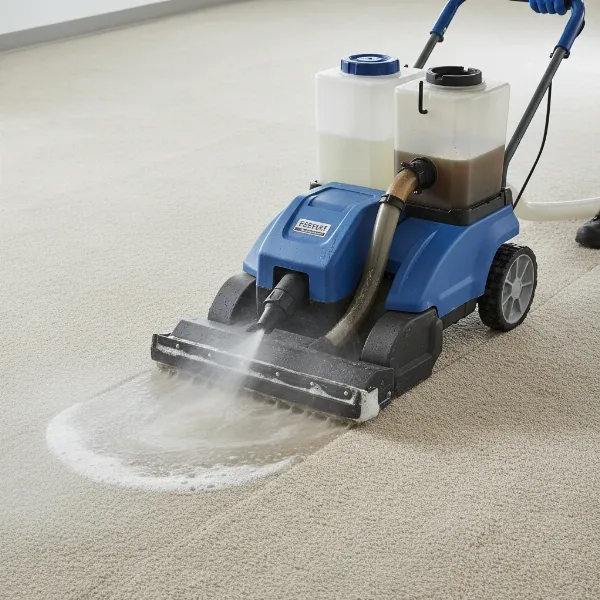 Powerful carpet deep cleaner machine extracting dirty water, showing wet vacuuming process and clean results.
Cleaning Solutions and Pre-treatments
The right cleaning agents are vital for dissolving dirt and tackling stains.
- Commercial Carpet Cleaners: Many manufacturers offer proprietary cleaning solutions designed for their machines or for general use. Always follow the product’s instructions and ensure it’s safe for your carpet type.
- DIY Solutions: For a more natural approach, a mixture of warm water and white vinegar (50/50 ratio) can be effective. Some suggest adding a tablespoon of mild dish soap for extra cleaning power. Baking soda is excellent for absorbing odors and can be sprinkled on the carpet before vacuuming.
- Enzyme Cleaners: These are highly effective for organic stains and odors, especially from pets, as they break down biological residues.
- Stain Removers: Keep a dedicated stain remover on hand for specific, tough spots like coffee, wine, or mud.
Other Supplies
- Brushes: A sturdy scrub brush or a soft-bristled brush can be used for pre-treating stubborn stains or for manual agitation.
- Clean Cloths/Towels: White cotton cloths are essential for blotting stains and wiping up excess moisture.
- Spray Bottles: Useful for applying DIY pre-treatment solutions evenly.
- Fans/Dehumidifiers: Crucial for speeding up drying time after wet cleaning.
- Protective Covers: Plastic sheets or aluminum foil can protect furniture legs from moisture if furniture cannot be moved completely.
Preparing Your Carpet for a Deep Clean
Thorough preparation is the secret to an effective and efficient deep cleaning process. Skipping these initial steps can hinder results and potentially cause damage.
Clear the Area
Before anything else, remove all movable furniture, rugs, lamps, and small items from the carpeted area. This ensures complete access to the entire surface and prevents any obstruction or damage during cleaning. If large furniture cannot be moved, lift or tilt it slightly and place plastic sheets or aluminum foil under the legs to protect them from moisture and prevent wood stains on your carpet.
Thorough Initial Vacuuming
This is where your regular vacuum cleaner truly shines as the first step in deep cleaning. Use your vacuum to meticulously remove all loose dirt, dust, pet hair, and debris from the carpet surface. Don’t rush this step. Go over the entire area multiple times, especially in high-traffic zones, to dislodge as much dry soil as possible. Employ a slow, steady pace—around one foot per second—to allow the vacuum ample time to draw up embedded particles. Overlap each pass by an inch or two to ensure comprehensive coverage. Pay extra attention to edges and corners, using your vacuum’s crevice tool for optimal reach.
Identify Your Carpet Type
Understanding your carpet’s fiber composition is critical, as different materials react uniquely to cleaning agents and methods. Wool, for example, is a delicate natural fiber that can be damaged by high-alkaline cleaners (pH > 8.0), which may lead to brittleness and yellowing. It requires pH-neutral or slightly acidic solutions and minimal mechanical agitation when wet to prevent felting. Nylon, a common synthetic, is durable but prone to acid stains. Always check your carpet’s care tag or the manufacturer’s instructions for specific guidelines to avoid irreversible damage. If unsure, test any cleaning solution on an inconspicuous spot first.
Spot Treatment and Pre-treatment
Address any visible stains before the main deep cleaning. Apply a dedicated carpet stain remover or a DIY solution (like equal parts white vinegar and water) directly to the stain. Allow it to sit for five to ten minutes, then gently blot with a clean, white cloth, working from the outside of the stain inward. Avoid rubbing, as this can spread the stain or damage carpet fibers.
After spot-treating, consider pre-treating the entire carpet, especially in heavily soiled areas. Lightly mist a pre-treatment solution (e.g., diluted commercial pre-spray or vinegar/water mix) over the carpet surface, ensuring it doesn’t get overly saturated. Let it dwell for a few minutes to loosen deep-seated dirt before proceeding with the machine cleaning.
Step-by-Step Deep Cleaning Process with a Machine
Once your carpet is prepped, it’s time for the main event: using the deep cleaner. This process requires attention to detail and patience for the best results.
Setting Up Your Carpet Cleaner
Follow your carpet cleaner machine’s instruction manual meticulously. Typically, you will fill the clean water tank with warm water (avoiding boiling water, especially for wool carpets) and add the recommended amount of your chosen carpet cleaning solution. Some machines have separate compartments for water and formula, while others require pre-mixing. Always ensure you are using a solution compatible with your specific machine and carpet type.
Deep Cleaning the Carpet
Start cleaning in the corner furthest from your room’s exit, working your way towards the door. This prevents you from walking on wet, freshly cleaned carpet.
- Work in Sections: Tackle the carpet in manageable sections, typically 4-5 feet at a time.
- Apply Solution and Scrub: Make a forward pass across the carpet, depressing the spray trigger to apply the cleaning solution while the brushes agitate the fibers. Go at a slow and steady pace to allow the solution to penetrate.
- Extract Dirty Water: On the backward pass over the same section, release the spray trigger. The machine’s powerful suction will then extract the dirty water from the carpet. Many experts recommend cleaning the same area twice: once forward with the trigger pressed, and once backward without the trigger to maximize moisture removal.
- Overlap: Slightly overlap each cleaning pass to ensure complete coverage and prevent streaking.
- Avoid Over-Wetting: Do not over-saturate the carpet. Excessive moisture can lead to longer drying times, mold growth, or damage to the carpet backing. If your machine has a “quick dry” or “extra suction” mode, use it.
- Rinse Passes: After cleaning the entire carpet with solution, empty the dirty water tank and refill the clean water tank with plain warm water. Go over the carpet again with plain water (making spray and suction passes) to rinse out any residual cleaning solution. This prevents sticky residue that can attract dirt faster.
Dealing with Specific Challenges
- Stubborn Stains: For persistent spots after the initial pass, you can spot-clean again with a concentrated stain remover or the vinegar solution, allowing it to dwell, then using the machine’s suction-only pass over the area.
- Mold and Mildew: If you encounter mold or mildew, ensure the area is thoroughly dry first using fans or a dehumidifier. Then, vacuum the area to remove loose spores. Fill your carpet cleaner with an oxygen-based (OXY) cleaning formula. Make passes to work the solution in, then extract moisture. Repeat if necessary and ensure rapid drying.
Drying and Post-Cleaning Care
Proper drying is as critical as the cleaning itself. Inadequate drying can lead to mildew, unpleasant odors, and even damage to your subfloor.
Efficient Drying Techniques
Aim to dry your carpets as quickly as possible.
- Air Circulation: Open windows and doors to create a cross-breeze, or run fans in the room to circulate air. Ceiling fans are also helpful.
- Dehumidifiers: If you live in a humid environment, a dehumidifier can significantly speed up the drying process by removing moisture from the air.
- “Quick Dry” Modes: Some deep cleaning machines feature a “quick dry” mode, which uses less water or provides stronger suction to minimize drying time.
- Extra Suction Passes: After applying solution and rinsing, make several additional passes over the carpet with the machine’s suction only (without spraying water). This helps to extract as much remaining moisture as possible.
Drying time can vary from 4 to 24 hours, depending on carpet thickness, humidity, and airflow. Avoid walking on the carpet until it feels completely dry to the touch to prevent re-soiling or crushing the fibers.
Final Vacuuming
Once the carpet is completely dry, typically after 24 hours, go over the entire area again with your regular dry vacuum. This final vacuuming helps to lift and restore the carpet pile, making it feel softer and look fluffier. It also removes any dislodged dirt particles that may have surfaced during the drying process.
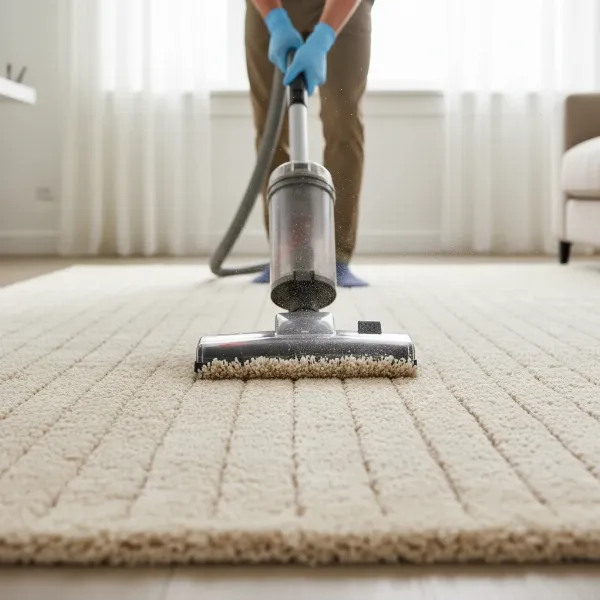 Person vacuuming a dry carpet to restore pile and remove residual dirt particles.
Maintaining Your Clean Carpet
- Regular Vacuuming Schedule: Maintain a consistent vacuuming routine (at least once a week, more often for high-traffic areas and pets) to prevent dirt from re-embedding.
- Prompt Stain Removal: Address spills and stains immediately to prevent them from setting into the carpet fibers.
- Protect High-Traffic Areas: Use doormats at entrances and area rugs in high-traffic zones to minimize wear and tear.
Choosing the Right Vacuum for Optimal Carpet Care
While a dedicated carpet deep cleaner machine is essential for the wet extraction process, your regular vacuum plays a continuous role in maintaining carpet cleanliness and preparing for deep cleans.
Upright Vacuums
Upright vacuums are a popular choice for homes with extensive carpeting. Their powerful brush rolls are effective at agitating and lifting dirt from deep pile carpets. They are generally easy to maneuver across large, open areas.
Canister Vacuums
Canister vacuums offer versatility with a separate canister body and a long hose with various attachments. This makes them excellent for cleaning stairs, upholstery, and reaching under furniture, in addition to flat carpeted areas. They often provide strong suction for thorough debris removal.
Robot Vacuums
For daily maintenance, robot vacuums are invaluable. They can run automatically, keeping surface dirt, dust, and pet hair at bay, significantly reducing the amount of soil that accumulates between deep cleaning sessions. While they don’t deep clean, they are perfect for pre-cleaning before you bring out the heavy-duty equipment.
Wet/Dry Vacuums
While primarily designed for workshop spills and garages, some wet/dry vacuums can be used with carpet cleaning attachments for spot cleaning or extracting water from heavily saturated areas. However, they are not typically designed for the fine spray and extraction balance needed for full carpet deep cleaning like a dedicated carpet extractor.
Conclusion
Deep cleaning your carpets with a vacuum, specifically a carpet deep cleaner, is an investment in the longevity and hygiene of your home. By diligently following a thorough process—from initial dry vacuuming and preparation to the precise application of cleaning solutions and meticulous drying—you can effectively remove embedded dirt, eliminate odors, and revitalize your living space. Remember that consistent routine vacuuming is the foundation of carpet care, while periodic deep cleaning provides the ultimate refresh, protecting your investment and enhancing your home’s comfort and cleanliness. What steps will you take this week to ensure your carpets are not just clean on the surface, but truly deep-clean and pristine?
Frequently Asked Questions
How often should I deep clean my carpets?
For most homes, deep cleaning carpets every 6 to 18 months is sufficient. Homes with pets, children, or high foot traffic may benefit from more frequent cleaning, perhaps every three to six months, to manage dirt, allergens, and odors effectively.
Can I deep clean carpets without a machine?
While a carpet cleaning machine (extractor) offers the most effective deep clean, you can manually deep clean using a scrub brush, warm water, and a cleaning solution. This method requires more effort and thorough blotting with towels to absorb moisture and prevent over-wetting.
What is the best cleaning solution for pet stains?
For pet stains, enzyme cleaners are highly recommended as they break down the organic matter causing odors and stains. You can also use a mixture of white vinegar and water, or a specialized pet stain remover, ensuring to blot thoroughly and avoid rubbing.
How long does it takes for carpets to dry after deep cleaning?
Carpet drying time typically ranges from 4 to 24 hours. Factors like carpet thickness, humidity levels, and the amount of ventilation in the room influence this. Using fans, opening windows, and making extra dry passes with your machine can significantly speed up the drying process.